
Understanding AI-Powered Marketing ROI
Imagine enhancing your marketing efforts without exponentially increasing your workload or expenses. For small teams, like those led by marketing managers or agency owners, the struggle against overwhelming workloads and tight budgets is all too real. Fortunately, the key to overcoming these hurdles lies in optimizing marketing strategies through AI-powered marketing ROI. In this blog post, we’ll explore how small teams can harness AI tools to boost their marketing effectiveness while maximizing their return on investment (ROI).
Table of Contents
- The Importance of AI-Powered Marketing
- Core Components of an AI-Powered Marketing Strategy
- Implementing AI to Maximize ROI
- Measuring AI-Powered Marketing ROI
- Case Studies of Successful AI Adoption
- Conclusion: Take the Next Step with Discovr
The Importance of AI-Powered Marketing
There’s a common myth that only large enterprises can effectively leverage AI in their marketing strategies. In reality, small teams stand to gain the most from these powerful technologies. According to a report by McKinsey, businesses that fully embrace AI can expect a boost in efficiency ranging from 20% to 30%. This gain is particularly crucial for professionals juggling multiple roles, like marketing managers and agency owners.
Why Small Teams Need AI
- Budget Constraints: Small teams often lack the resources to hire specialists for every facet of marketing. AI tools can streamline these roles, automating tasks without compromising quality.
- Enhanced Productivity: With AI taking care of the repetitive, mundane tasks, team members can redirect their efforts to higher-value activities, such as strategizing and creative brainstorming.
- Data-Driven Decision Making: AI systems can quickly analyze vast quantities of data, offering actionable insights and predictions that enable small teams to refine their strategies.
Core Components of an AI-Powered Marketing Strategy
To enhance their AI-powered marketing ROI, small marketing teams should consider incorporating the following components:
1. Automation of Repetitive Tasks
AI tools take the hassle out of managing routine tasks, such as:
- Social media scheduling
- Email marketing
- Analytics reporting
By automating these processes, marketing professionals—like Laila, the solo B2B SaaS marketing manager—can significantly lighten their workloads while still delivering high-quality results.
2. Personalization at Scale
Today’s consumers expect tailored experiences. AI algorithms can analyze customer data to deliver personalized content, whether through targeted ads or customized email campaigns. The ultimate payoff? Higher engagement and conversion rates, translating directly into improved ROI.
3. Predictive Analytics
Grasping customer behavior patterns is essential. AI can sift through historical data to predict future trends, empowering marketing teams to make informed decisions and adapt strategies accordingly. For instance, insights gained through AI might help Peter, a B2B SaaS founder, anticipate customer needs and tailor his product offerings effectively.
Implementing AI to Maximize ROI
Step 1: Identify AI Tools
Selecting the right AI tools is crucial for maximizing ROI. Here are some excellent options for small teams:
- HubSpot: Offers a range of marketing automation features paired with CRM functionalities.
- Mailchimp: Designed to automate email marketing while providing analytic insights to track performance.
- Google Analytics: Its AI integrations offer deeper insights into user behavior on your website.
Step 2: Create a Comprehensive Strategy
To leverage AI effectively, small teams should:
- Define clear objectives: Establish what ROI looks like for your team’s unique needs, whether it’s increased leads or improved customer retention. Set measurable goals.
- Utilize data: Actively gather data and apply it to craft personalized marketing campaigns.
- Regularly review performance: Continuously monitor campaign data, making adjustments to optimize outcomes.
Step 3: Foster a Learning Environment
Encouraging team members to stay updated on the latest advancements in AI creates a culture of innovation. Regular training sessions can enhance adoption rates and ensure better utilization of AI resources.
Measuring AI-Powered Marketing ROI
To determine how effectively AI boosts ROI, consider tracking the following metrics:
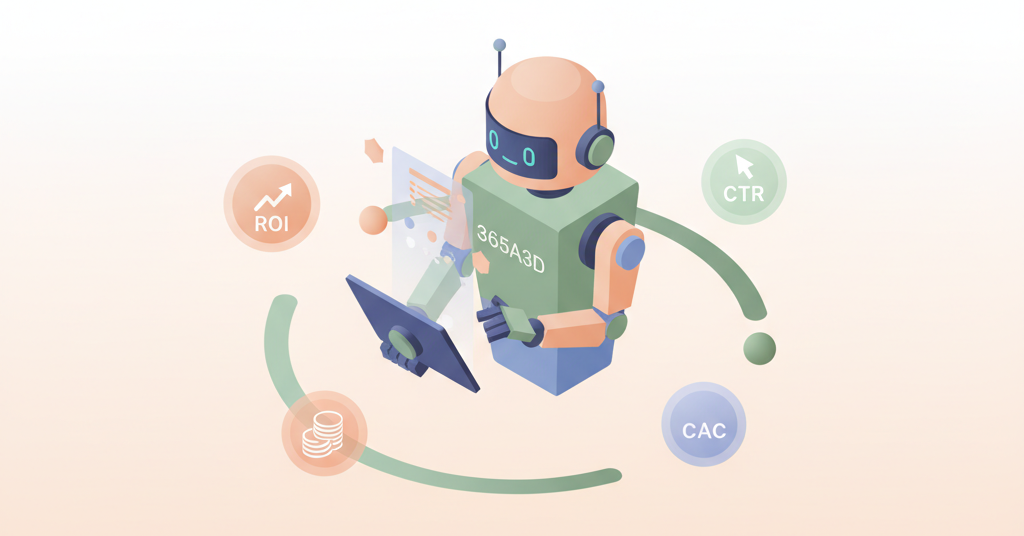
- Customer Acquisition Cost (CAC): Compare your CAC before and after implementing AI tools to assess effectiveness.
- Conversion Rates: Monitor shifts in conversion rates linked to AI-driven campaigns.
- Overall Revenue Growth: Keep an eye on revenue changes to evaluate the ROI of your AI strategies.
By utilizing these metrics, both Laila and Mike, the marketing agency owner, can substantiate their investments and pinpoint areas for improvement.
Case Studies of Successful AI Adoption
Success Story 1: A SaaS Company
A small B2B SaaS company adopted AI-driven email marketing and witnessed a staggering 30% increase in open rates within just one month. By personalizing content based on user behavior, they significantly boosted their conversion rates, showcasing the tangible benefits of AI-powered marketing ROI.
Success Story 2: A Marketing Agency
By automating client reporting and social media scheduling, a growing marketing agency successfully took on 20% more clients without the need to hire additional staff. This efficient approach not only reduced operational costs but also increased overall profit margins.
Frequently Asked Questions
Q1: Why is AI particularly beneficial for small marketing teams?
A: AI helps small teams overcome budget constraints by automating tasks, enhancing productivity, and enabling data-driven decisions without the need for extensive specialist hires.
Q2: What are the main components of an AI-powered marketing strategy?
A: Key components include automating repetitive tasks, delivering personalization at scale, and using predictive analytics to understand customer behavior.
Q3: Which AI tools are recommended for small teams looking to maximize marketing ROI?
A: Some recommended tools are HubSpot for automation and CRM, Mailchimp for email marketing automation, and Google Analytics for AI-powered user behavior insights.
Q4: How can small teams measure the effectiveness of AI in their marketing?
A: By tracking Customer Acquisition Cost (CAC), conversion rates, and overall revenue growth before and after implementing AI tools.
Conclusion: Take the Next Step with Discovr
The marketing landscape is constantly evolving, and AI is leading the charge in this transformation. Small teams can harness the power of innovation to enhance productivity, lower costs, and ultimately maximize their AI-powered marketing ROI.
If you’re ready to streamline your marketing efforts and reap the benefits of AI, explore tools like Discovr, which consolidates strategy and execution, acting as your very own virtual marketing employee. Step into the future of marketing today and empower your efforts with AI!